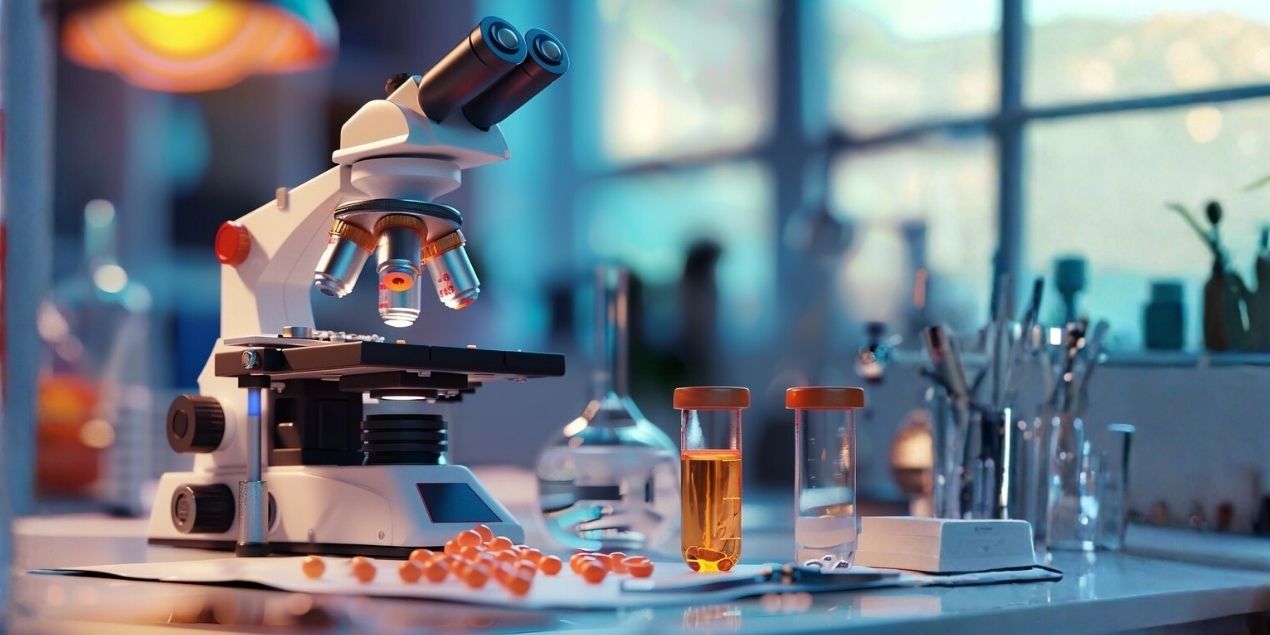
Ensuring accurate water quality and microbiology testing is essential for protecting public health, environmental safety, and regulatory compliance. In 2025, laboratories are adopting advanced testing methods and standardized procedures to detect chemical contaminants, microbial presence, and potential health risks in water samples. Reliable testing practices help ensure safe drinking water and effective wastewater management.
One of the most important best practices in water testing is proper sample collection and handling. Samples must be collected using sterile containers, stored at controlled temperatures, and analyzed within recommended time frames to prevent contamination or degradation. Accurate sampling is the foundation of reliable test results, especially in microbiological analysis.
Consistent testing protocols and strict quality control measures are critical for achieving accurate and reproducible water quality and microbiology results.
Advanced analytical instruments and automated systems are increasingly used to enhance precision and efficiency in water testing laboratories. Techniques such as membrane filtration, PCR-based microbial detection, and automated colony counters improve sensitivity and reduce human error. These technologies enable laboratories to meet stringent regulatory requirements with confidence.
Ensuring Compliance and Laboratory Accuracy
Compliance with national and international water quality standards is a key focus for laboratories. Regular calibration of instruments, validation of test methods, and proper documentation ensure adherence to regulatory guidelines. Implementing Laboratory Information Management Systems (LIMS) further enhances data traceability and reporting accuracy.
- Proper sample collection, storage, and handling procedures
- Use of validated analytical and microbiological testing methods
- Regular calibration and maintenance of laboratory instruments
- Strict quality control and contamination prevention measures
- Compliance with water quality and microbiology regulations
By following best practices in water quality and microbiology testing, laboratories can deliver accurate, reliable, and compliant results. These practices not only support public health and environmental protection but also strengthen trust in laboratory testing processes across industries and regulatory bodies.